Coupler-Type Steel Pipe Scaffolding:
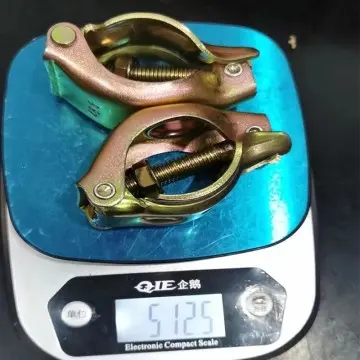
- Features: Composed of steel pipes and couplers, connected by couplers for a flexible structure.
- Application: Widely used in various construction projects.
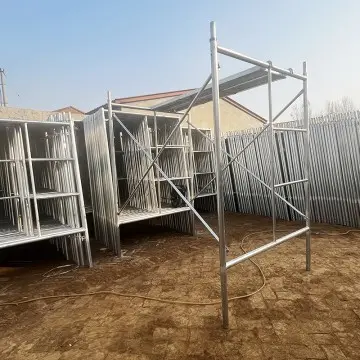
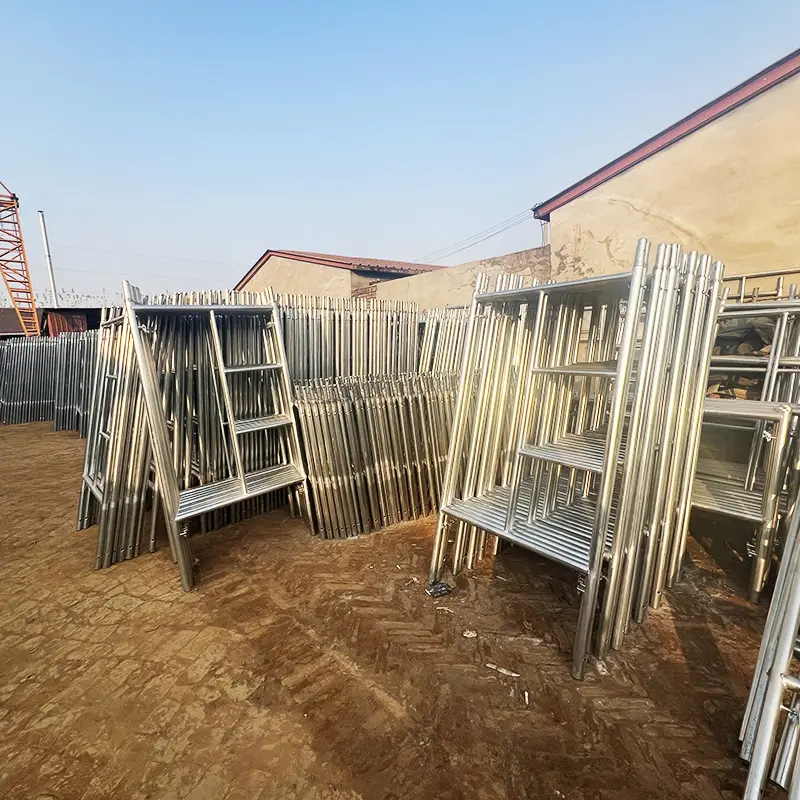
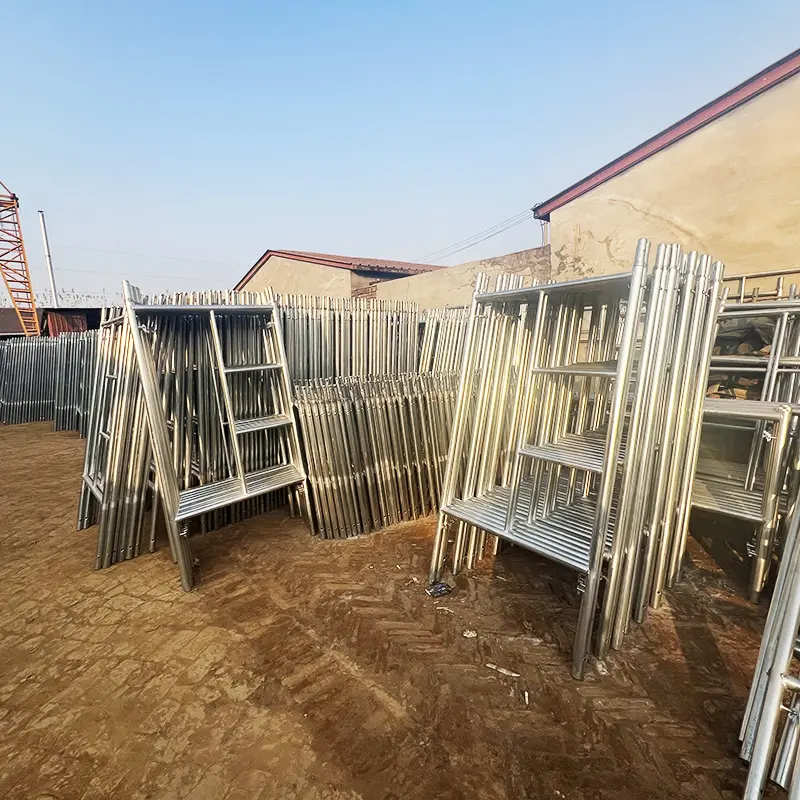
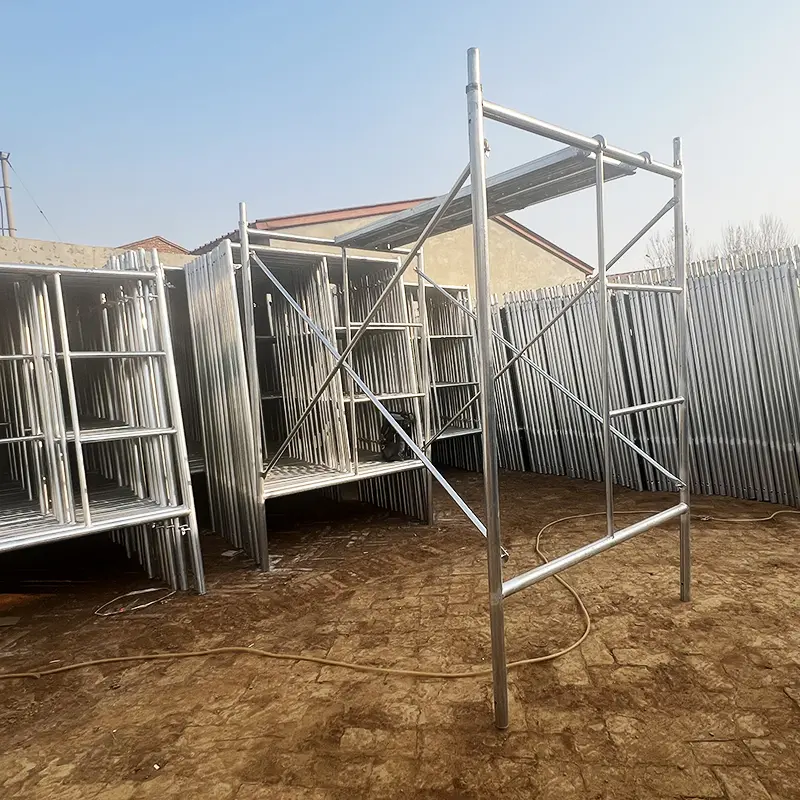
Frame Scaffolding (also known as Portal Scaffolding):
- Features: Consists of a portal frame, easy to install, and suitable for large-area construction.
- Application: Commonly used in large-scale projects like bridges and tunnels.
Cup-Lock Scaffolding:
- Features: Connected through cup-lock joints, providing a stable structure with strong load-bearing capacity.
- Application: Suitable for high-rise buildings and complex structural construction.
Ring-Lock Scaffolding (also known as Disc Scaffolding):
- Features: Connected via plug-in joints, allowing for quick assembly and easy disassembly.
- Application: Often used for stage construction and large event setups.
Cantilever Scaffolding:
- Features: Extends from a certain height of the building, used for high-rise exterior wall construction.
- Application: Commonly used for the exterior facade construction of high-rise buildings.
Mobile Scaffolding (also known as Wheeled Scaffolding):
- Features: Equipped with wheels for easy mobility, suitable for indoor use.
- Application: Ideal for indoor decoration, maintenance, and other tasks.
1.Steel Pipe Procdssing
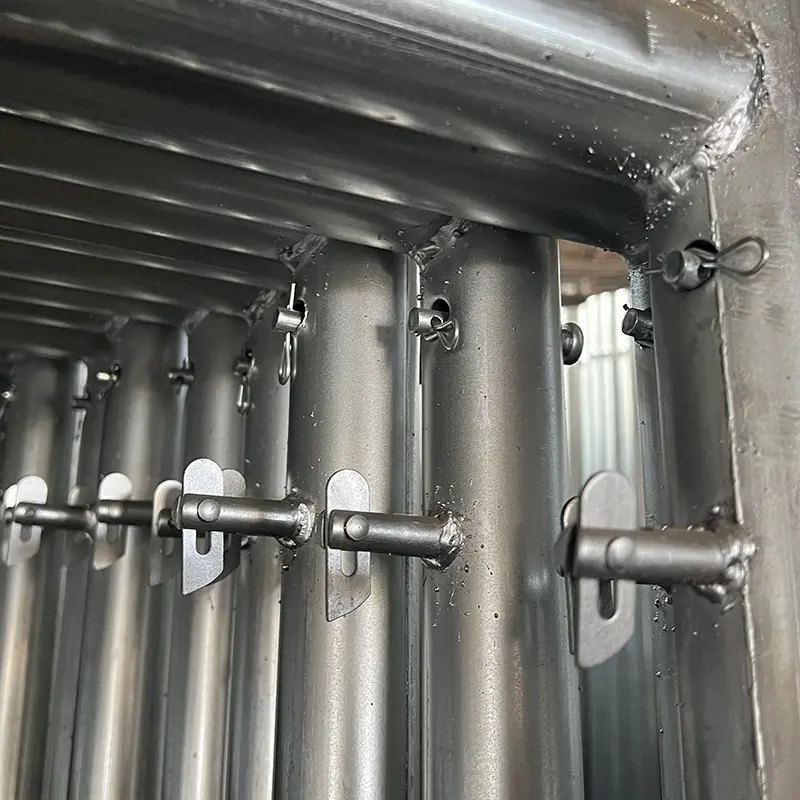
- Punching: Holes are punched in the steel pipes at the connection points. These holes are used for bolt connections or pin connections. The punching equipment must ensure accurate hole diameter and correct positioning.
- Bending: The steel pipes are bent as required by the design, typically for forming the frame structure of portal scaffolding.
2.Welding
- Automatic Welding: Automatic welding machines are used to perform welding, ensuring uniformity and strength of the welds. The welded parts typically include connectors, couplers, and scaffolding frames.
- Weld Quality Inspection: Ultrasonic testing or X-ray inspection is conducted on the weld points to ensure there are no cracks, pores, or other defects, guaranteeing the quality of the welds.
3.Surface Treatment
- Rust Removal: Rust and impurities on the steel surface are removed by sandblasting or acid pickling, ensuring the effectiveness of subsequent treatments.
- Anti-corrosion Coating: The steel pipes are galvanized or coated with anti-rust paint to enhance corrosion resistance and extend their service life. Galvanization usually involves either hot-dip or cold-dip methods, with hot-dip galvanization being more effective.
- Cutting: The steel pipes or steel plates are cut to the required length and dimensions according to the design specifications. Automated equipment, such as CNC cutting machines, is typically used to ensure precision.
- Punching: Holes are punched in the steel pipes at the connection points. These holes are used for bolt connections or pin connections. The punching equipment must ensure accurate hole diameter and correct positioning.
- Bending: The steel pipes are bent as required by the design, typically for forming the frame structure of portal scaffolding.


- Cutting: The steel pipes or steel plates are cut to the required length and dimensions according to the design specifications. Automated equipment, such as CNC cutting machines, is typically used to ensure precision.
+8615222547725
admin@sybhsteel.com
+86 15222547725